
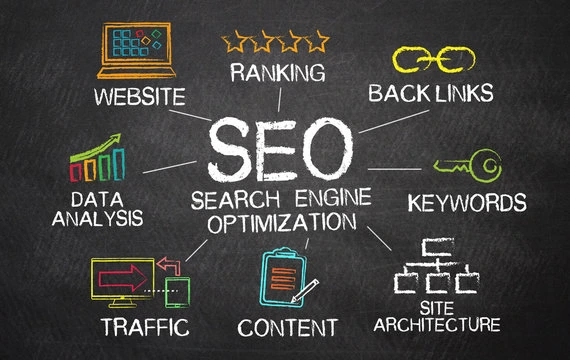
Search Engine Optimization, commonly known as SEO, is one of the most powerful and cost-effective digital marketing strategies for businesses looking to achieve long-term growth. Unlike paid advertising, which stops delivering results once your budget runs out, SEO focuses on organic visibility, sustainable traffic, and consistent lead generation.
In today’s competitive digital landscape, businesses that invest in SEO build a strong online presence, gain authority in their industry, and attract high-intent users who are actively searching for their products or services.
What Is SEO?
SEO is the process of optimizing your website to rank higher on search engines like Google, Bing, and Yahoo. When potential customers search for keywords related to your business, SEO ensures that your website appears prominently in the search results—ideally on the first page, where most clicks happen.
Effective SEO is not about shortcuts or tricks. It’s about aligning your website with search engine guidelines while delivering real value to users through high-quality content, fast performance, and seamless user experience.
At its core, SEO is built on three major pillars:
- On-page SEO
- Off-page SEO
- Technical SEO
Each of these plays a crucial role in improving rankings, visibility, and website performance.
How SEO Works
Search engines use advanced algorithms to evaluate websites based on relevance, quality, authority, and user experience. These algorithms analyze hundreds of ranking factors to decide which pages deserve to appear at the top of search results.
SEO works by optimizing your website to match these ranking factors. This includes targeting the right keywords, creating valuable content, improving website structure, earning high-quality backlinks, and ensuring your site is technically sound.
When done correctly, SEO helps search engines understand:
- What your website is about
- Who your content is for
- Why your website deserves to rank higher than competitors
On-Page SEO
On-page SEO focuses on optimizing the content and structure of your website pages. It ensures that both users and search engines can easily understand and navigate your content.
Key On-Page SEO Elements
- Keyword Optimization
Strategically placing relevant keywords in headings, body content, URLs, and image alt text without keyword stuffing. - Meta Titles and Descriptions
Writing compelling meta tags that improve click-through rates from search results. - High-Quality Content
Creating informative, original, and engaging content that satisfies user intent. - Header Tags (H1, H2, H3)
Structuring content properly to improve readability and SEO clarity. - Internal Linking
Linking related pages to improve crawlability and keep users engaged longer.
Strong on-page SEO improves rankings while also enhancing user experience—two factors that go hand in hand.
Off-Page SEO
Off-page SEO focuses on building your website’s authority, trust, and credibility beyond your own domain. Search engines view backlinks and brand mentions as votes of confidence from other websites.
Common Off-Page SEO Techniques
- Backlink Building
Acquiring high-quality links from authoritative and relevant websites. - Brand Mentions
Increasing online visibility through mentions across blogs, forums, and media platforms. - Guest Blogging
Publishing content on reputable websites to build authority and referral traffic. - Digital PR
Earning media coverage through press releases, campaigns, and collaborations.
A strong off-page SEO strategy signals to search engines that your website is trustworthy and valuable, which significantly improves ranking potential.
Technical SEO
Technical SEO ensures that your website is fast, secure, and easy for search engines to crawl and index. Even the best content can struggle to rank if technical issues hold your site back.
Important Technical SEO Factors
- Website Speed Optimization
Faster websites provide better user experience and rank higher. - Mobile Optimization
Ensuring your website is fully responsive across all devices. - Crawlability and Indexing
Making sure search engines can easily access and index your pages. - Secure HTTPS
Protecting user data and building trust with search engines. - Clean Site Architecture
Logical navigation that helps both users and bots move through your website efficiently.
Technical SEO forms the foundation of your entire SEO strategy and should never be overlooked.
Benefits of SEO for Businesses
Investing in SEO delivers measurable, scalable, and long-term benefits for businesses of all sizes.
- Increased organic website traffic
- Higher brand visibility and credibility
- Better lead quality and conversion rates
- Improved user experience
- Lower customer acquisition costs over time
- Sustainable growth without constant ad spend
Unlike short-term marketing tactics, SEO continues to generate results long after the initial work is done.
SEO vs Paid Ads: Which Is Better?
Paid advertising can deliver instant visibility and quick wins, but results disappear once the budget stops. SEO, on the other hand, compounds over time, building momentum and authority that continues to drive traffic organically.
The most successful digital marketing strategies use a balanced approach, combining paid ads for immediate impact with SEO for long-term growth. However, SEO remains the backbone of sustainable online success.
Final Thoughts
SEO is not a one-time task—it’s an ongoing strategy that evolves with search engine algorithms, user behavior, and market trends. Businesses that invest in professional SEO gain a competitive edge, attract consistent traffic, and build a strong digital foundation for future growth.
At SwoleScripts, we focus on data-driven SEO strategies that deliver real results—higher rankings, quality traffic, and measurable business growth.